Knowing how to say “not a problem” in Italian will really help you sound friendly if an Italian apologises for something. Like a receptionist saying sorry because your hotel room isn’t ready yet, or a waiter saying sorry because your food order is delayed.
And in Italy, things don't always happen at top speed, so being able to reply with "not a problem” helps show you're happy to go along with things.
But there’s not just one way to say “not a problem” in Italian. In this lesson, you’ll find out 9 different ways to say “not a problem” and when to use each one.
Non c’è problema
Pronunciation: non cheh proh-BLEH-mah
Non c’è problema literally means “there is no problem”.
It’s a simple option for “not a problem” in Italian that works in both formal and informal situations.
For example:
- Mi dispiace* per l’attesa -I’m sorry about (lit. for) the wait.
- Non c’è problema! -Not a problem!
Or:
- Arrivo tra dieci minuti. -I’ll be there in ten minutes.
- Non c’è problema! -Not a problem.
Sometimes tourists think that to say “not a problem” or “no problem” in Italian, you should say no problemo.
But even though this is a bit Italian-sounding, no problemo doesn’t actually exist in Italian.
Instead, (as you see above) the word for “problem” in Italian ends in an -a: problema. And instead of saying no, you can use the Italian word for “not”: non.
*If you want to know how phrases like mi dispiace (“I’m sorry”) work, you can read our lesson on sorry in Italian and everyday phrases to apologize .
Nessun problema
Pronunciation: ness-OON proh-BLEH-mah
Another simple way to say “not a problem” or “no problem” in Italian is nessun problema.
It literally means “not a single problem”. And like with non c’è problema, it works in both formal and informal situations.
For example:
- Mi dispiace, oggi non abbiamo il tiramisù. - I’m sorry, today we don’t have the tiramisù.
- Nessun problema, prendo la torta di mele allora. -Not a problem, I’ll have (lit. take) the apple cake then.
Or:
- Mi dispiace, la camera non è ancora pronta. -I’m sorry, the room isn’t ready yet.
- Nessun problema, aspettiamo! -Not a problem, we’ll wait!
💡Good to know: many students think problema is feminine because, like pizza or bruschetta , it ends in -a . But problema is actually masculine, so we say nessun problema , not nessuna problema .
Non ti preoccupare
Pronunciation: non tee preh-ok-koo-PAR-eh
Non ti preoccupare is Italian for “don’t worry” or “no worries”. The little word ti means “yourself”, so you’re literally saying “don’t preoccupy yourself”.
You’d use non ti preoccupare with friends or people you know well.
For example:
Non ti preoccupare, può capitare! -No worries, it can happen!
Non ti preoccupare se arrivi in ritardo. -Don’t worry if you arrive late.
The word order can also be a bit flexible with this phrase, so you could also say non preoccuparti, with the ti (Italian for “yourself”) on the end.
For example:
Non preoccuparti se arrivi in ritardo. -Don’t worry if you arrive late.
Non si preoccupi
Pronunciation: non see preh-ok-KOO-pee
Non si preoccupi is the Italian way of saying “don’t worry” or “no worries” that you use with people you don’t know well, like waiters, receptionists and taxi drivers.
The little word si in this phrase means “yourself” in formal situations.
For example:
-Non abbiamo più tavoli fuori. -We don’t have any more tables outside.
-Non si preoccupi, mangiamo dentro. -Don’t worry, we’ll eat inside.
Or:
-Non ci sono autobus a quest’ora. -There aren’t buses at this time.
-Non si preoccupi, prendiamo un taxi. -Don’t worry, we’ll get a taxi.
If you want to know more about how words like ti and si work in Italian, you can read our lesson on what on Earth are Italian reflexive verbs?
Tranquillo / tranquilla
Pronunciation: tran-KWEEL-loh / tran-KWEEL-lah
Tranquillo (to a man) and tranquilla (to a woman) are informal ways of saying “no worries” or “no stress” in Italian.
Tranquillo or tranquilla literally mean “calm”, a bit like the English word “tranquil”. So it’s the idea of telling the person not to panic or feel bad for something.
You often use tranquillo or tranquilla with another phrase, like non c’è problema, rather than by itself.
For example:
- Scusa, devo andare adesso. -Sorry, I have to go now.
- Tranquilla, non c’è problema. -No worries, not a problem.
Non importa
Pronunciation: nohn im-POR-tah
Non importa literally means “it’s not important” in the sense of “it’s not a big deal” or “don’t feel bad about it”. In English, a common way to translate it is “it doesn’t matter” or “that’s okay”.
For example:
-Mi dispiace, ma non possiamo venire stasera. -I’m sorry, but we can’t come this evening.
-Non importa! Ci vediamo un’altra volta. -It doesn’t matter! We can see each other another time.
Fa lo stesso
Pronunciation: fah loh STES-soh
Fa lo stesso literally means “it makes the same”.
You’re sort of saying “it doesn’t make any difference”, but that can sometimes sound like you’re disappointed or annoyed in English, whereas in Italian, fa lo stesso is very friendly.
You could also translate fa lo stesso as “it doesn’t matter”, “that’s fine”, or “that’s okay”.
For example:
- Mi dispiace, non abbiamo latte di avena. -I’m sorry, we don’t have oat milk.
- Fa lo stesso, prendo il latte normale. -That’s fine, I’ll have (lit. take) normal milk.
Or:
- C’è solo una visita guidata stamattina. -There’s only a tour this morning.
- Fa lo stesso! Per noi la mattina va bene. -That’s okay. For us the morning works (lit. goes well).
Non fa niente
Pronunciation: non fah NYEN-teh
Non fa niente literally means “it doesn’t do anything”.
It’s like saying “it doesn’t matter” or “no problem at all”.
For example:
Scusa, dimentico sempre questa parola in italiano. -I’m sorry, I always forget how to say this word in Italian.
Non fa niente! -No problem at all!
Or:
Mi dispiace, domani siamo chiusi. -I’m sorry, tomorrow we’re closed.
Non fa niente, vengo un’altro giorno. -No problem at all, I’ll come another day.
No problem
Pronunciation: noh PROH-blehm
Italians actually say no problem (with an Italian accent of course😉) in Italian as well.
You’d use no problem in informal situations.
For example:
Non ho più caffè. -I don’t have any more coffee.
No problem, prendo un tè. -No problem, I’ll have (lit. take) a tea.
9 Ways to Say “Not a Problem” in Italian to Sound Friendly: Review
Here's a quick recap of the phrases you've learned:
-
Non c'è problema = “Not a problem.” A simple, natural option that works in both formal and informal situations.
-
Nessun problema = Another easy way to say “No problem.” It also works in formal and informal situations.
-
Non ti preoccupare = “Don't worry.” Use it with friends, family and people you know well.
-
Non si preoccupi = The polite version of “don't worry”, for waiters, receptionists, taxi drivers and other people you don't know well.
-
Tranquillo / Tranquilla = An informal way to say “No worries” or “No stress.” You'll often hear it together with another phrase, like tranquilla, non c'è problema .
-
Non importa = “It doesn't matter.” Use it when you want to show that something isn't a big deal.
-
Fa lo stesso = “That's fine” or “It doesn't matter.” Use it when a change of plan or a different option is perfectly okay with you.
-
Non fa niente = “No problem at all.” A friendly way to reassure someone after they apologise for a small mistake or inconvenience.
-
No problem = Some Italians use the English phrase in informal situations, usually with an Italian pronunciation.
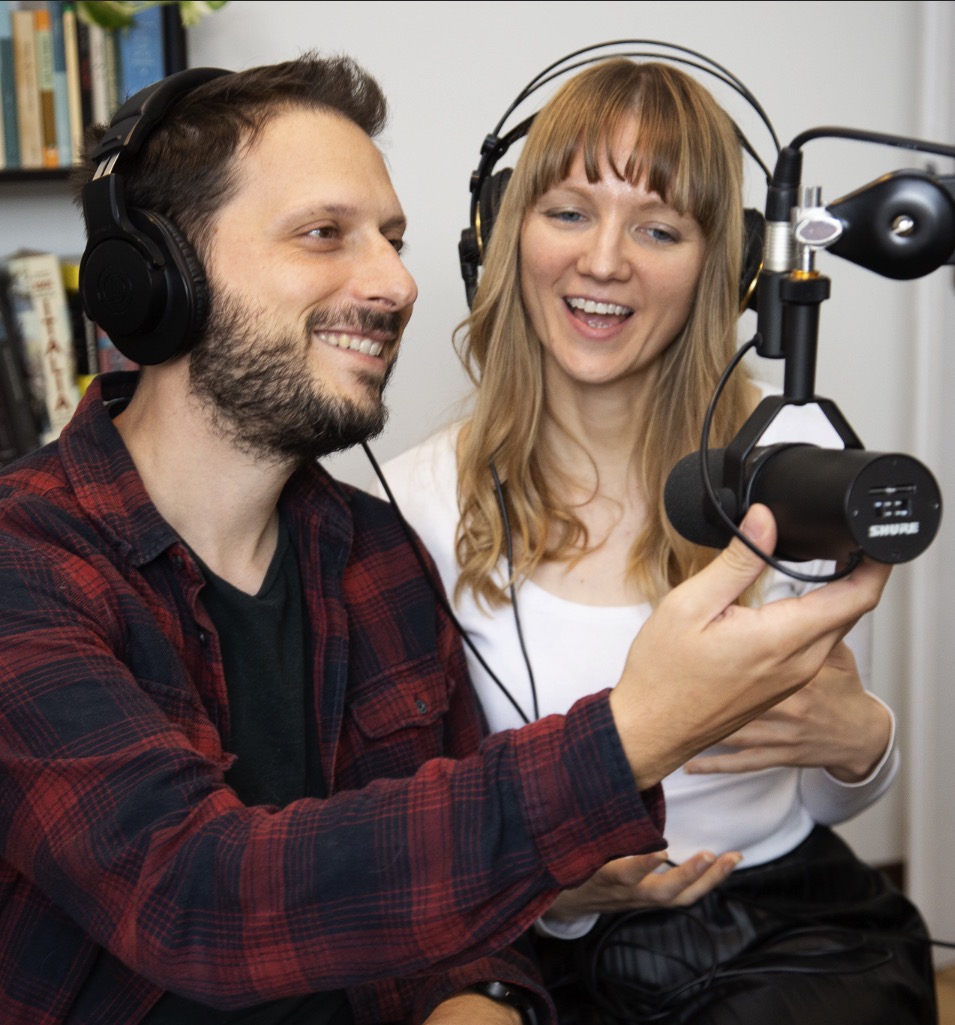
K: Ciao a tutti e benvenuti! Hi everyone and welcome to Learn Italian with Joy of Languages.
M: In this episode, you’ll find out how to say “not a problem” in Italian. There’s also a common mistake that tourists make with this phrase that you’ll find out in this episode, so you can avoid making it as well.
K: But before we get started can we ask you a quick favore ? If you’re listening to this on your podcast app, could you click the subscribe or follow button? This way you’ll get notified when we release a new episode and you’ll help our podcast grow so we can keep making free lessons like this. Grazie !
M: You’re going to hear a conversation between me and Katie where we talk about getting ready to go out.
K: Even though there’s the stereotype that Italians are often late, with us, I’m always the one holding us up. I’m always testing Matteo’s patience.
M: [...]
K: In the conversation you’re about to hear, see if you can catch the different phrases that we use for “not a problem” in Italian.
M: Katie…andiamo? Sei pronta?
K: Ehm, no, scusa… va bene tra 10 minuti?
M: Tranquilla, non c’è problema.
M: Katie?
K: Altri due minuti, scusa!
M: Non ti preoccupare
M: Katiee?
K: Due minuti e arrivo!
M: Eddai!
K: Matteo started by asking me:
M: Katie…andiamo? Sei pronta? - Katie…shall we go? Are you ready? Literally:
Katie
Andiamo - we go
Sei - you are
Pronta - ready
K: In Italian, you can turn statements like “we go” or “you’re ready” into questions by raising your voice at the end. So sei pronta becomes “are you ready?”, and andiamo? becomes “shall we go?”
Then I replied:
M: Ehm, no, scusa… va bene tra 10 minuti? - Um, no, sorry…is it ok (in other words, is it ok to leave) in ten minutes? Literally:
No - no
Scusa - sorry
Va - it goes
Bene - well
Tra - literally “between”, but we use “tra” to say “in” with future time
10 - ten
Minuti - minutes
K: Then Matteo replied:
M: Tranquilla, non c’è problema - No worries, no problem. Literally:
Tranquilla - Calm
Non - not
C’è - there is
Problema - problem
K: So you heard one of the first ways that you can say “not a problem” in Italian:
M: Tranquilla (x2)
K: Tranquilla is a bit like the English word “tranquil”. It’s the idea of being calm, so if you use it you’re sort of saying “no stress” or “no panic”.
M: And because I’m speaking to Katie, I say tranquilla, with an -a on the end. If Katie were speaking to me, she would say tranquillo.
K: And then Matteo added another phrase:
M: Non c’è problema (x2)
K: If you use tranquilla, or tranquillo, it’s very common to pair it with another phrase for “not a problem”, like Matteo did here when he said tranquilla, non c’è problema.
So non c’è problema is a very common, natural way to say “not a problem”. It’s useful because you can use it in informal or formal situations, so you could say it to a waiter, for example, or a friend who says they’re sorry they’re running late.
M: Sometimes people think that “not a problem” or “no problem” in Italian is no problemo. But even though this is a bit Italian-sounding, no problemo doesn’t actually exist in Italian.
K: In Italian it’s problema , with an -a on the end. And then instead of saying “no” it’s non . So literally, again, Italians say:
M: Non – not
C’è – there is
Problema – problem
Non c’è problema
K: Then, because I still wasn’t ready after ten minutes, Matteo said:
M: Katie?
K: And I replied:
M: Altri due minuti, scusa! - Another two minutes, sorry! Literally:
Altri - other
Due - two
Minuti - minutes
Scusa - sorry
K: And then Matteo said:
M: Non ti preoccupare - don’t worry. Literally:
Non - not
Ti - yourself
Preoccupare - worry
Non ti preoccupare
K: If it helps to remember, preoccupare, to worry, is a bit like the English word “preoccupy”. If you’re preoccupied with something, you’re worried and thinking about it a lot. Don’t worry, again is:
M: Non ti preoccupare (x2)
K: And the little ti before preoccupare means “yourself”, when you’re speaking to someone you know well, in the informal. So you’re literally saying “not yourself worry” or “not yourself preoccupy”. This sounds very strange in English, but that’s just how Italians say it! And the word order can also be flexible with this one, so you can say non preoccuparti. This time, “don’t worry or preoccupy yourself”. So it follows more the English word order, with the word for “yourself” at the end. Again, don’t worry, this time with the “ti” at the end is:
M: Non preoccuparti (x2)
Since I still wasn’t ready, Matteo said:
M: Katiee?
And I replied:
K: Due minuti e arrivo! - two minutes and I’m there. Literally:
Due - two
Minuti - minutes
E - and
Arrivo - I arrive
K: By this time, Matteo had lost all patience, so he said:
M: Eddai! - Come on!
K: Eddai is a really informal expression that Italians use all the time. You can use it when you’re frustrated, like Matteo was. Or a tassista, or taxi driver, might use it if they’re feeling frustrated about the traffic. You might have already heard the word “dai”, which Italians use as a way to say “come on”. Eddai, with an “eh” sound at the beginning, means the same, but with a lot more emphasis.
K: Now you’ve heard a few different ways to say “not a problem” in Italian, let’s see what you can remember.
What’s a word for “not a problem” that’s a bit like saying, no worries or no stress? You’re literally telling someone to stay calm and relaxed.
[...]
M: Tranquilla (x2), if you’re speaking to a woman. Or tranquillo (x2), if you’re speaking to a man.
K: And when you say tranquillo or tranquilla, you often add another phrase after it. For example, you could add a very common way to say “not a problem” in Italian that literally means “there is no problem”. Or word for word literally: not, there is problem:
[...]
M: Non c’è problema (x2) . For example, I said to Katie, tranquilla, non c’è problema.
K: And what’s a way to say “don’t worry” in Italian? Literally, it sounds more like “don’t preoccupy yourself”.
[...]
M: Non ti preoccupare (x2) . Or, you can say non preoccuparti (x2) .
K: Let’s hear the whole conversation again.
M: Katie…andiamo? Sei pronta?
K: Ehm, no, scusa… va bene tra 10 minuti?
M: Tranquilla, non c’è problema.
M: Katie?
K: Altri due minuti, scusa!
M: Non ti preoccupare
M: Katiee?
K: Due minuti e arrivo!
M: Eddai!
K: In today’s episode, you’ve heard a few different phrases for “not a problem” in Italian, but there are some other very common ones that you can use in Italy depending on the situation.
M: Including some more formal phrases that we haven’t mentioned here that you would use with Italians you don’t know well, like waiters and shop assistants.
K: If you go to our website, you can see all the phrases in one place, just click the link in the description to head over to our website, or go to italian.joyoflanguages.com/podcast and search for episode 239.
K: See you next time.
M: Or as we say in Italian:
Alla prossima!
Time to check your understanding and remember everything you just learned! Below you’ll find a mini-quiz and some vocabulary cards to help it all go in.
Quiz: 9 Ways to Say “Not a Problem” in Italian to Sound Friendly
How much did you learn? Find out in the quiz!
Vocabulary
Non c’è problema = No problem (lit. there is no problem)
Nessun problema, aspettiamo = Not a problem (lit. not a single problem), we’ll wait
Non ti preoccupare, può capitare! = No worries (lit. don’t yourself preoccupy), it can happen!
Non ti preoccupare se arrivi in ritardo = Don't worry (lit. don’t yourself preoccupy) if you arrive late
Non importa! Ci vediamo un'altra volta = It doesn't matter! (lit. it’s not important) We can see each other another time
Non fa niente, vengo un altro giorno = No problem at all (lit. it doesn’t do anything), I'll come another day
Fa lo stesso, prendo il latte normale = That's fine (lit. it does the same), I'll have normal milk
Tranquilla, non c’è problema = No worries (lit. calm, female), no problem (lit. there is no problem)
Non ti preoccupare = Don’t worry (lit. don’t yourself preoccupy)
Flashcards: 9 Ways to Say “Not a Problem” in Italian to Sound Friendly
Not sure how it works? Click here to watch the tutorial